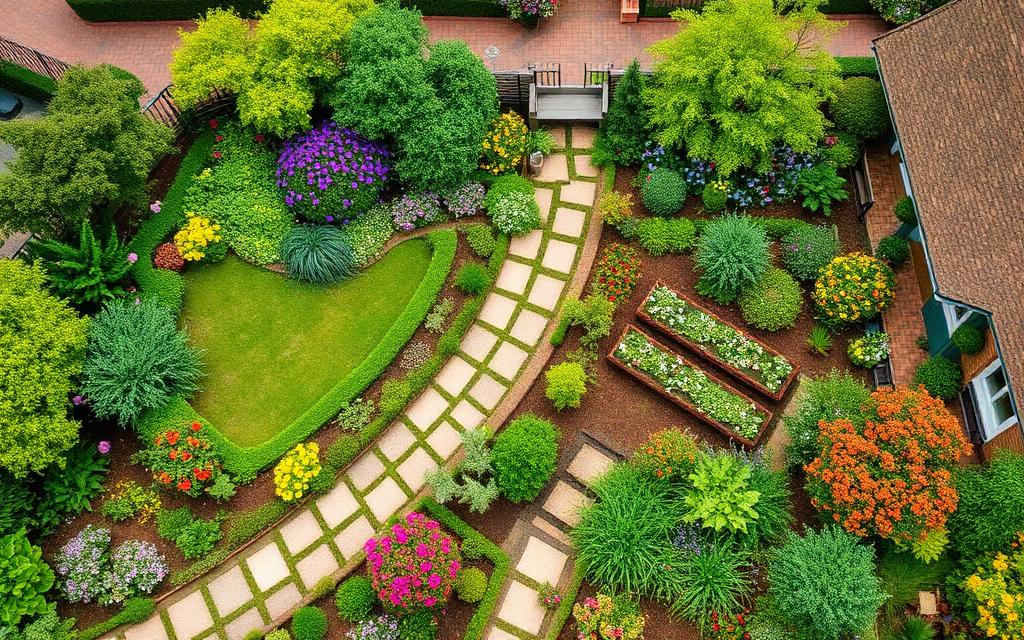
Garden design takes more than just choosing some pretty flowers. A lot of people simply won’t have the knowledge to put together a good garden design, and make sure it is all going to work together. If you are thinking of becoming a landscape gardener, or want to design gardens on a larger scale, think of the following points:
Soil quality. Make sure you know what type of soil is present and if you need to, add fertiliser or compost to make it more nourishing for plants and flowers.
Drainage. This is important, especially if gardens are sloped. Make sure there will be enough drainage, or flowers could drown. This is a common problem that many people overlook when designing their gardens.
Sunlight. Different plants require different amounts of sunlight. Some thrive in full sun, while others prefer partial or full shade. Understanding the light patterns in your garden throughout the day is essential for choosing the right plants for each location.
Structure and layout. Think about paths, borders, and focal points. A well-designed garden has a sense of flow and invites exploration. Consider using hedges or fences to create different rooms or areas within the garden.
Year-round interest. A good garden design ensures there is something of interest in every season. Choose a mix of plants that flower at different times, along with evergreens for winter structure and plants with interesting bark or berries.
Budget and maintenance. Be realistic about how much time and money you can invest in your garden. Choose plants that match your maintenance capabilities – low-maintenance gardens can be just as beautiful as high-maintenance ones.