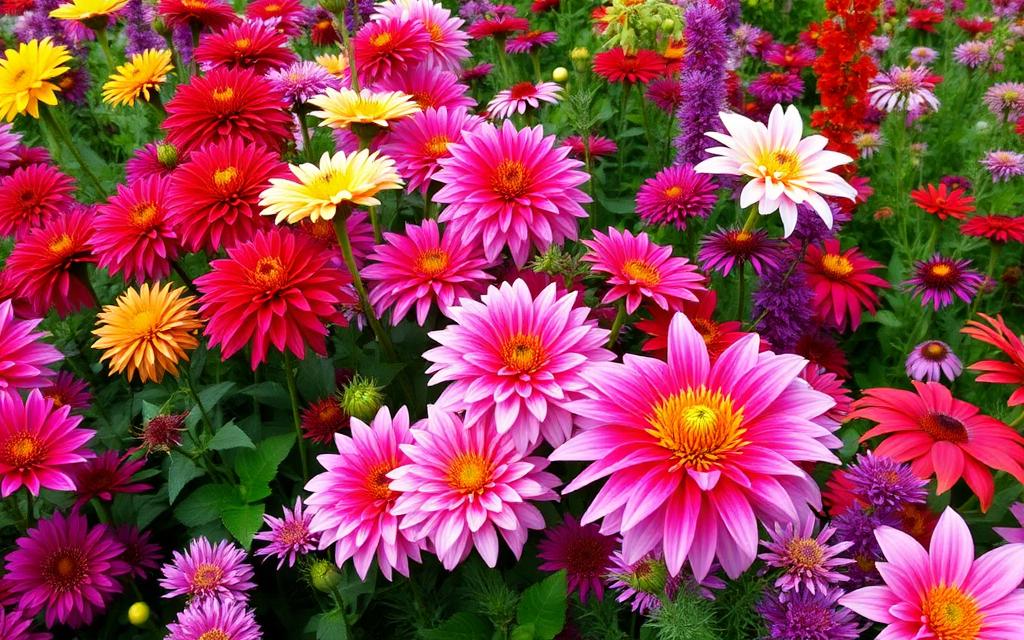
Summer bulbs are ideal for paved outdoor areas adjoining residence, terraces and flower gardens. They add distinctive and stylish elegance with their profuse free flowering pattern. Some have elusive appeal while others are fulgent chorines that demand attention. Caladiums, dahlias, cannas and lilies among other summer flowerings are smart and fashionable plants that require very little care and thrive through the heat of summer. By combining different types of these bulbs, you can achieve successiveness of blooms from spring, through summer to autumn.
When selecting summer flowerings, ensure that you buy dry bulbs when they are fresh. They are usually on sale from early spring. Look for healthy and bigger bulbs as they feel firm with no signs of damage and subsequently produce bigger blooms. Bulbs stored over winter should be planted towards the end of their torpid season.
Bulbs such as cannas, alliums and agapanthus should be planted in spring when the soil is beginning to warm up. The recommended soil temperature is 13 Degrees Celsius as in colder soil; the bulbs may begin to rot. Dry bulbs should be planted directly after purchase.
Summer flowerings usually do well in free draining soil and warm position. If you have clay soil, dig about 2 feet and add sand per square foot. Add organic matter to enhance the drainage.
Popular summer bulbs include dahlias, which come in an incredible range of colours and sizes; gladioli, which produce tall, dramatic spikes of flowers; and lilies, which offer both beauty and fragrance. Begonias are another excellent choice for containers and hanging baskets.
After the flowering season, some summer bulbs will need to be lifted and stored over winter in frost-prone areas. Others, like some lily varieties, can be left in the ground year after year if the soil drainage is good.